We threw away the project six weeks in.
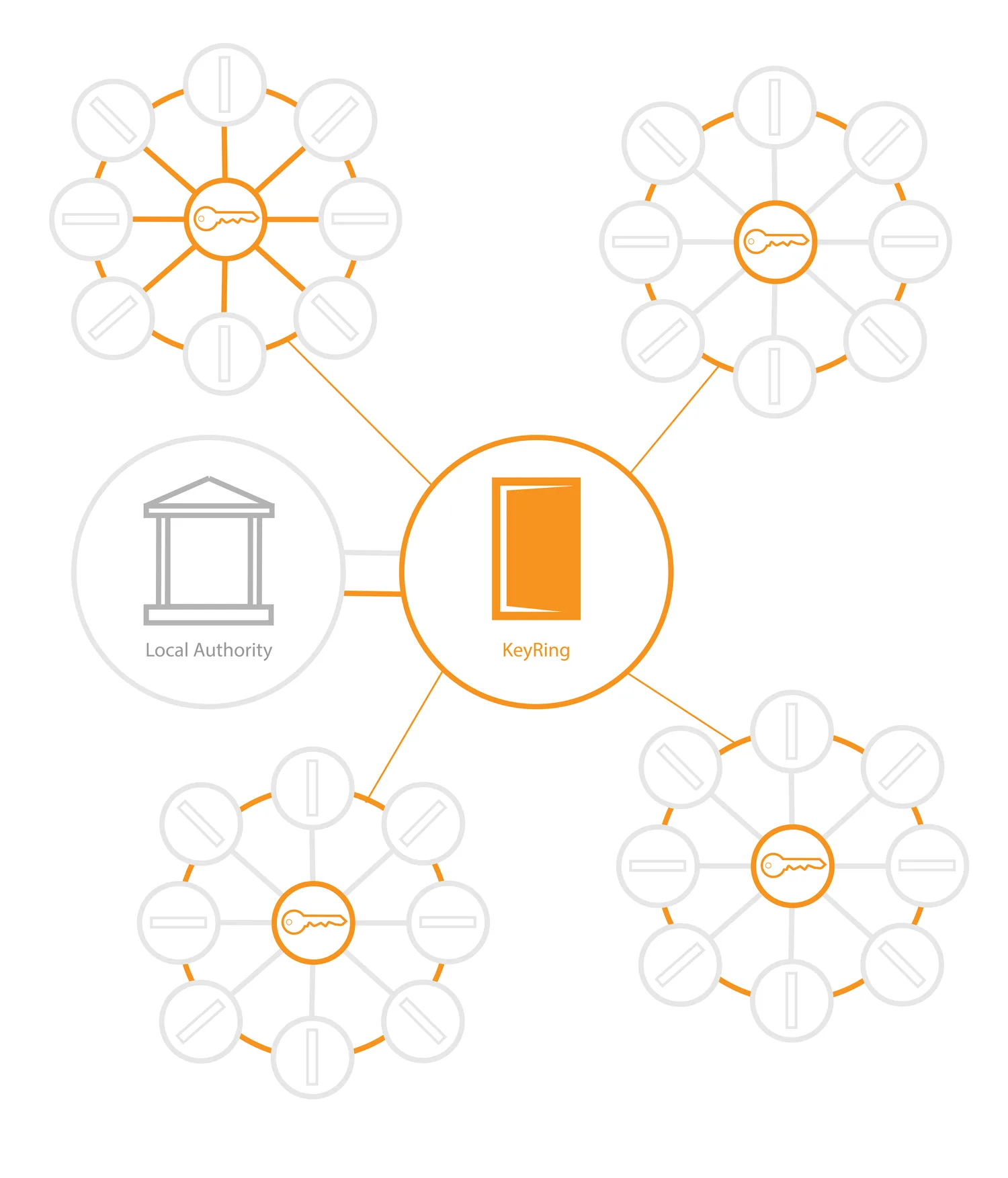
KeyRing helps people with learning disabilities live independently through networks of neighbourly support. I found them, pitched them, and led a student consultancy team through a year of research, including the point where we discovered a professional firm had already done the work we were planning, and had to rebuild the entire project around a different question.
Nobody hands a student team a real charity.
The module required a live client and did not supply one. I wrote a template outreach letter for the whole team to use, sent mine to KeyRing through a family contact, and we had a client with a genuinely live problem: a new collaboration initiative in development, and no clear way to explain it.
Throughout the project, I grew into the role of liaison between stakeholders and was responsible for managing expectations of the client, supervisors and the team.
Somebody had already done it, better.
We had spent weeks building a co-design workshop. Then a follow-up interview surfaced a set of reports from Spring Impact, a professional consultancy who had worked through the same initiative with more time, more resource and more experience than a student team would ever have.
We feared that our workshop wouldn't provide value as they had already developed a design report with more time, resource and experience. Instead, we embraced these reports and started looking for new ways to research the problem, focusing on the external environment which had not been explored.
Deleting your own work because someone else did it better is the correct call and it is genuinely difficult to make with a deadline approaching. The reframe it forced was the making of the project: Spring Impact had covered the internal service design, so we went outside it, into the sector, the competitors, and how KeyRing was being understood by people who did not already know them.
- Design ethnography depends on empathic conversation with users. KeyRing's users are vulnerable adults, in a pandemic
- So we did not interview them. We interviewed the executives who co-design the service
- Plus a sector-wide survey, competitor analysis and coded interview transcripts
- Every interviewee needs a different technique, the method has to adapt each time
- The most valuable interview was the second one with the same person, because trust had been built
- Listening and steering by topic beats arriving with a list of detailed questions
Their problem was information design.
KeyRing works. The evidence that it works is strong, specific and financial. And almost nobody outside the organisation could explain what it actually was, because the model is genuinely hard to describe, and the proof was buried where no commissioner would find it.
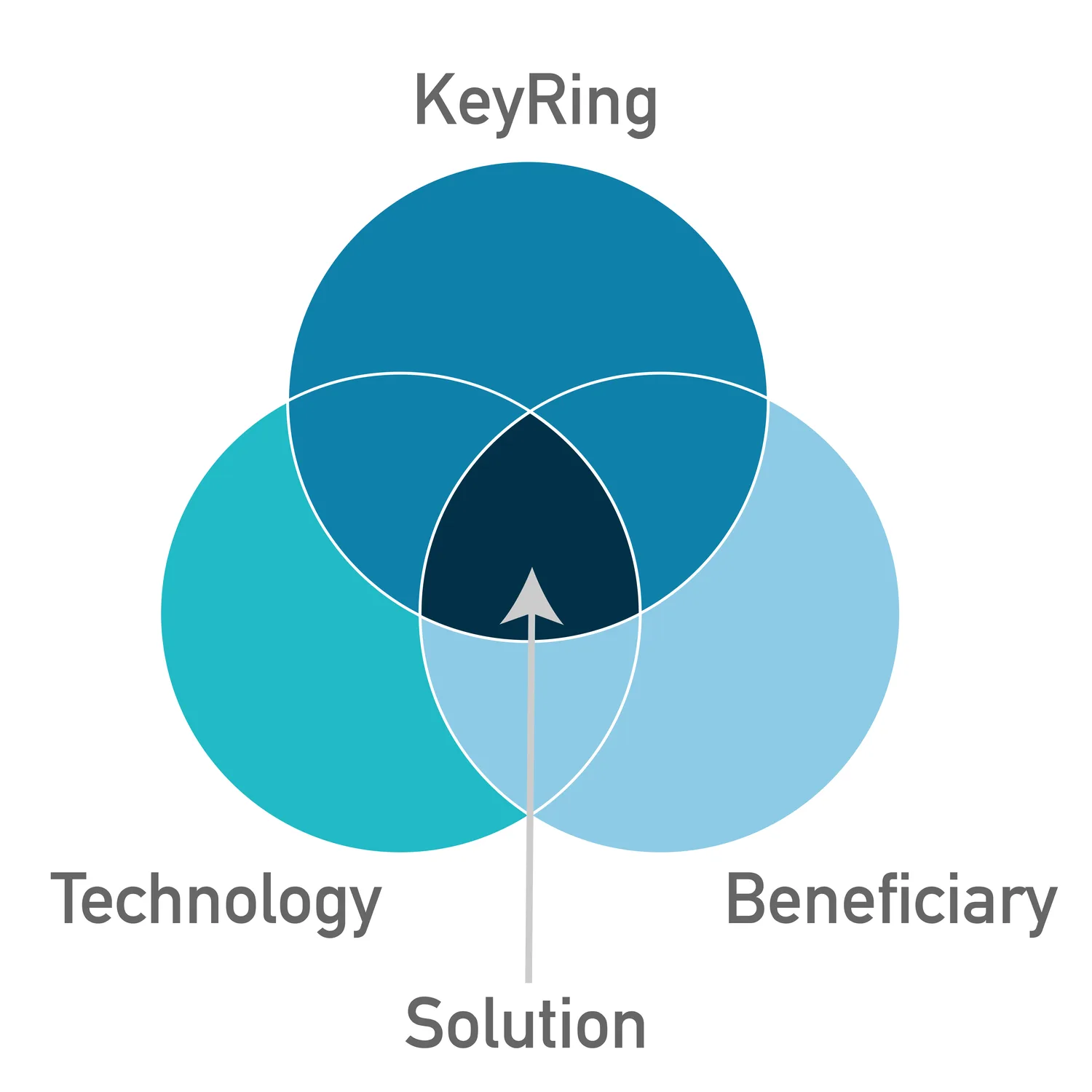
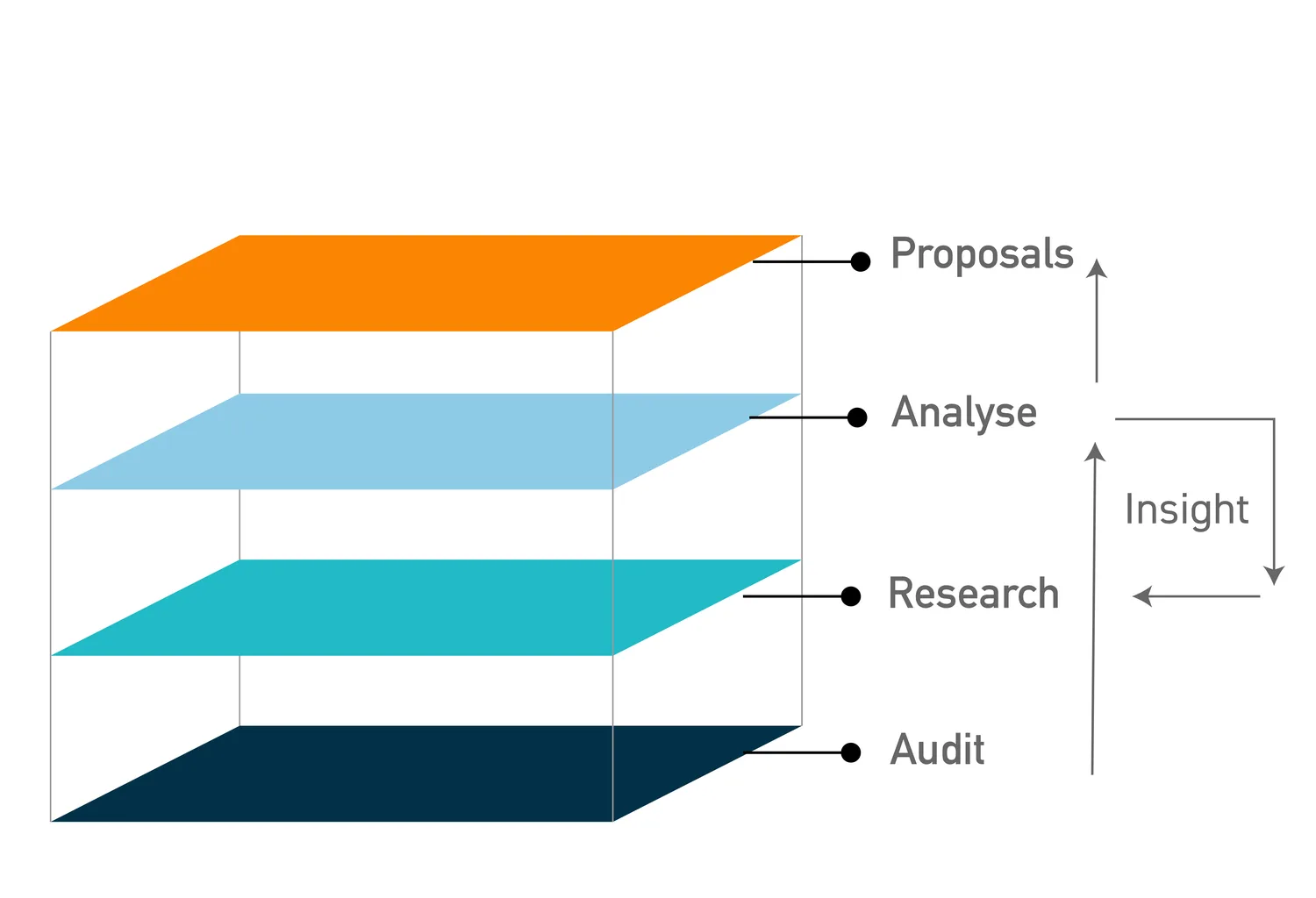
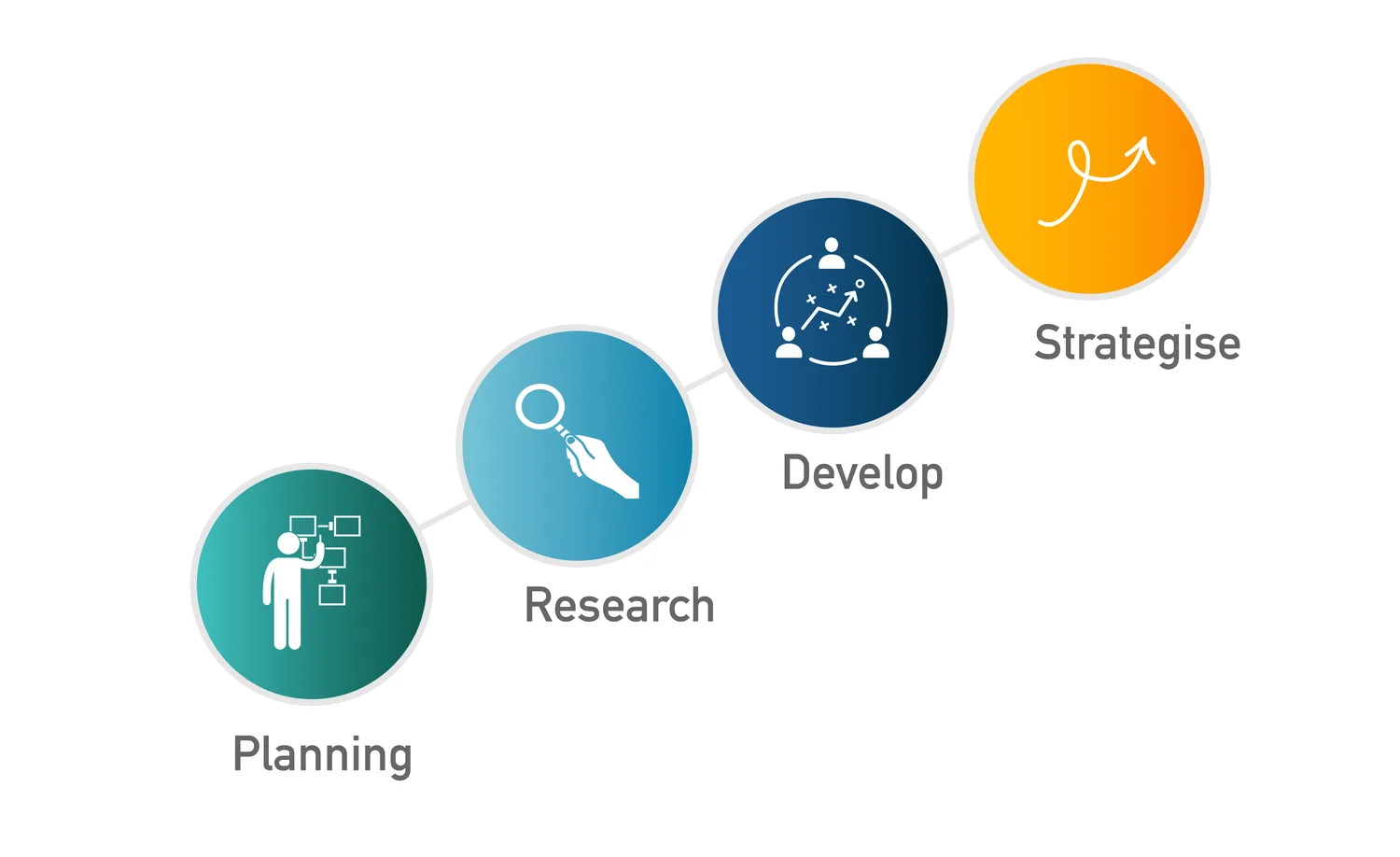
It was clear that KeyRing was struggling with effective information design, which has the power to affect perceptions of the value of a service proposition.
That is the sentence the whole year produced, and it is the reason this project still matters to me. The recommendation was not a rebrand or a campaign. It was that a service whose value cannot be drawn will keep being undervalued, so the deliverable had to be diagrams a commissioner could understand in thirty seconds.
The proof was real. It was just invisible.
An independent study had already established the numbers. They were sitting inside a report, in prose, where a busy local-authority commissioner would never encounter them. Turning that into a single visual argument became a follow-on piece of work.
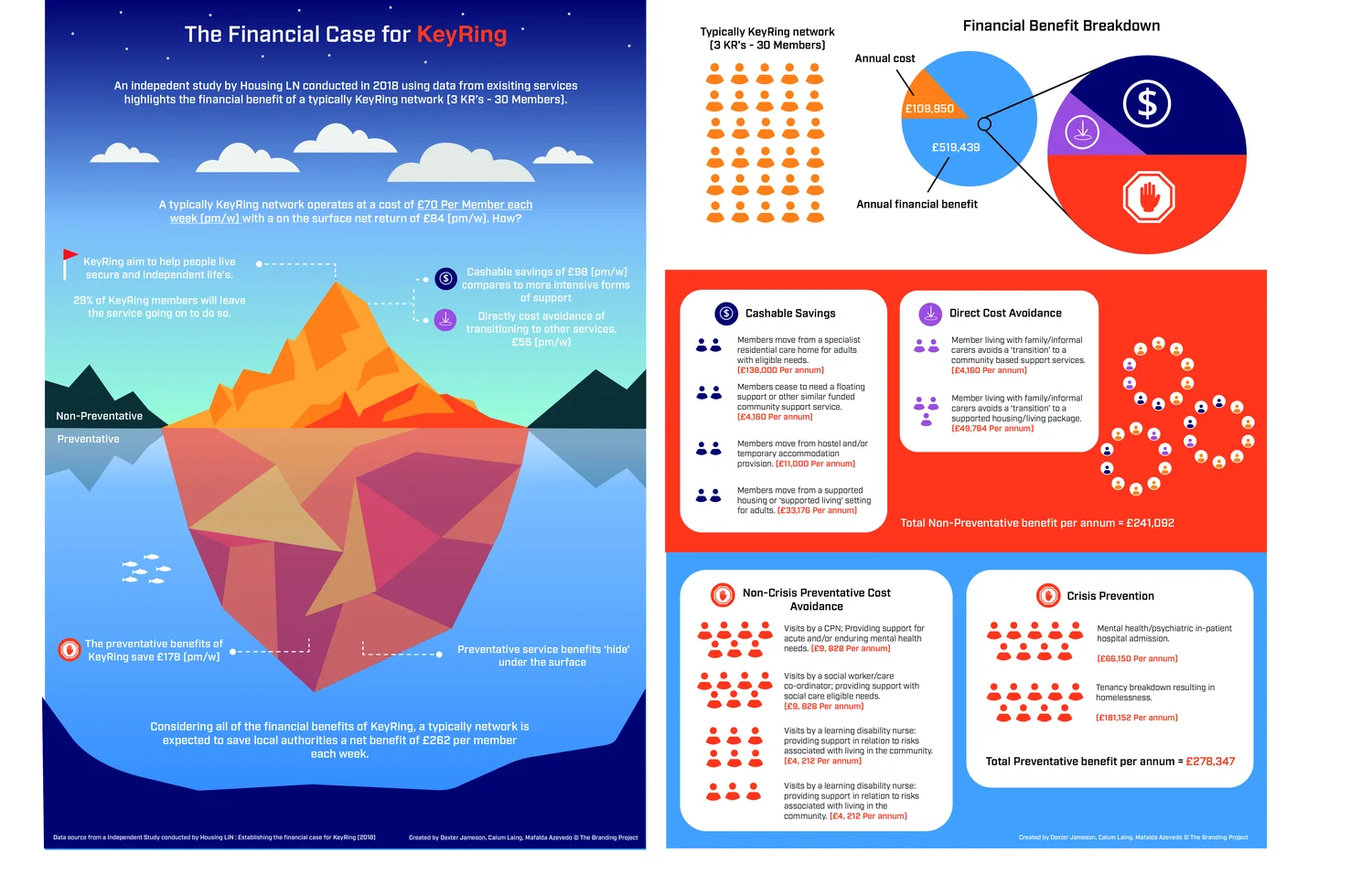
Most of the benefit is prevention, crises that never happen, hospital admissions avoided, tenancies that do not break down. Prevention is invisible by definition, which is exactly why it needs a picture rather than a paragraph.
Keep the word you already invented.
The strongest recommendation came out of the research rather than out of us. Interviewees kept using a term of their own, “KeyRingness”, while simultaneously expressing a dislike of marketing language and sector jargon.
- Run the collaboration as a sub-brand with its own identity, so it can grow separately and organically
- Embrace “KeyRingness” rather than replacing it with a tagline, naturally occurring language beats invented language
- Put the financial case at the front of the message, not in an appendix
- Aim the new proposition at an entirely new audience: other social care providers and their staff
- “Unlocking the door to independence.”
- “The key to living the life you want to lead.”
- “Rings of support.”
- Each drawn out as a full visual system rather than presented as a line of copy
KeyRing's vision for the collaboration should challenge the status quo and be brave, and in doing so, earn its place in the conversation.
The hardest part was not the research.
This is the project where I learned that method is the easy half. The difficult half is a team, a vulnerable user group, a not-for-profit client, and the gap between how those things need to be treated and how a group of students under deadline pressure will default to treating them.
As a not-for-profit organisation, the client is limited financially by design. The objective is not to generate profit, but to influence lives positively. At times, this was not appreciated by the group.
Correcting that repeatedly put me at odds with people I had to keep working with. I have kept the sentence about it in this case study because a portfolio that only contains the parts that went smoothly is not much use to anyone reading it.
“When applying design process it is paramount to consider the complexity of the social context and organisational culture.” And: “a key lesson from this project is the importance of perseverance and self-belief when leading teams into unfamiliar territory.”
Five years on, that is still the thing I would tell someone starting a service design project in a sector they do not know: the diagram is not the hard part.