Nobody buys a battery. They buy a smaller bill.
Puredrive manufacture home battery storage in the UK. The product is genuinely technical, inverters, CT clamps, consumer units, AC coupling, and almost none of that is what makes someone buy one. The job was to hold both truths at once: explain the system properly to the installer, and explain the saving plainly to the homeowner.
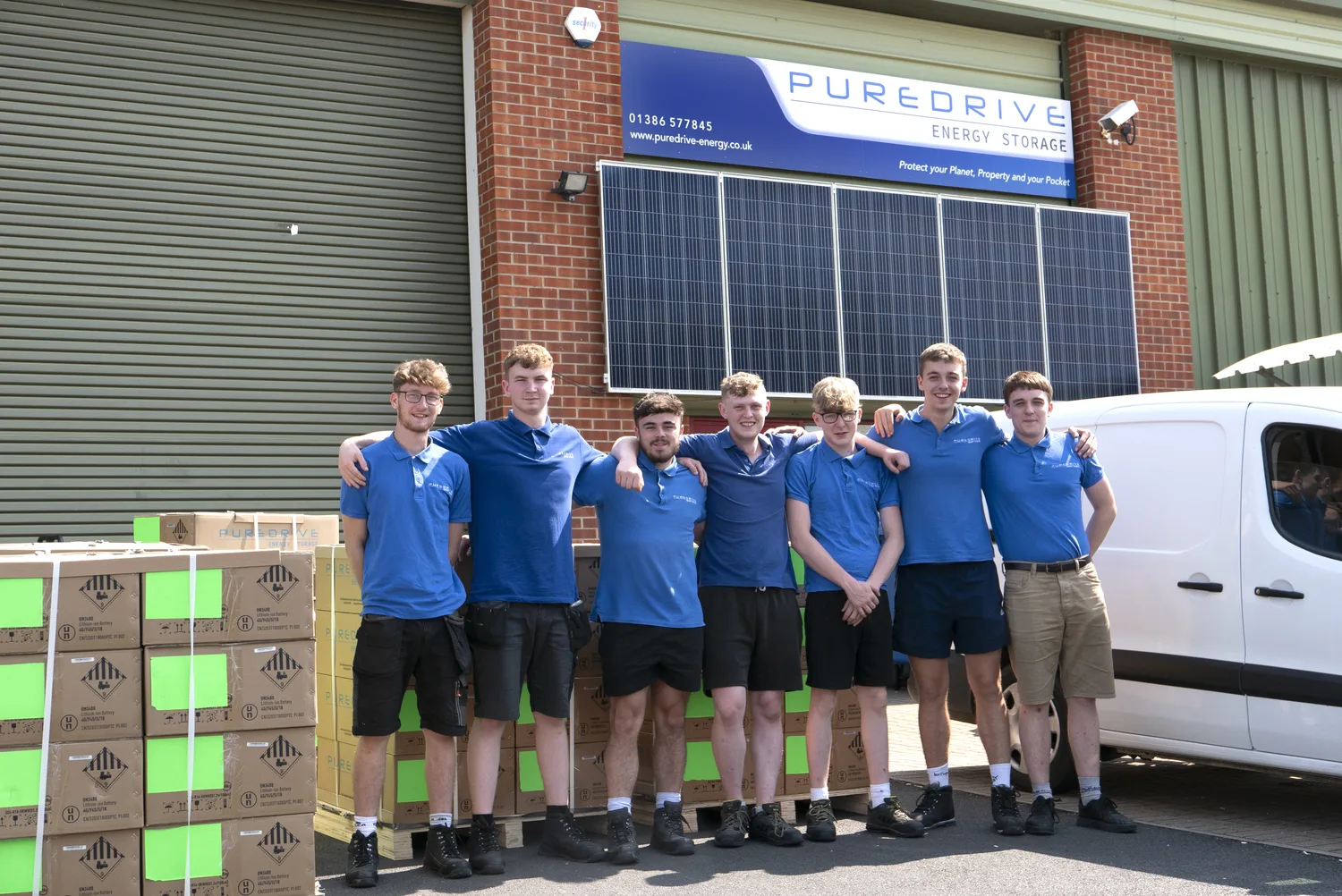
Two audiences, two films.
The savings film is aimed at a homeowner who has never thought about kilowatt-hours and does not want to start. The app guide is aimed at someone who has just had a battery installed and wants to know what the numbers on their phone mean. Same product, completely different burden of explanation.
Keeping these separate was the main call. The instinct in technical companies is to make one film that covers everything, which produces something that loses the homeowner in the first thirty seconds and bores the installer for the rest. Two short films, each finishing before its audience runs out of patience, does more work than one thorough one.
Show the energy moving.
The monitoring app had to answer one question fast: is my house currently using the sun, the battery, or the grid? So the main screen is not a dashboard of statistics. It is a live flow diagram, nodes for solar, home, battery and grid, with the energy visibly moving between them.
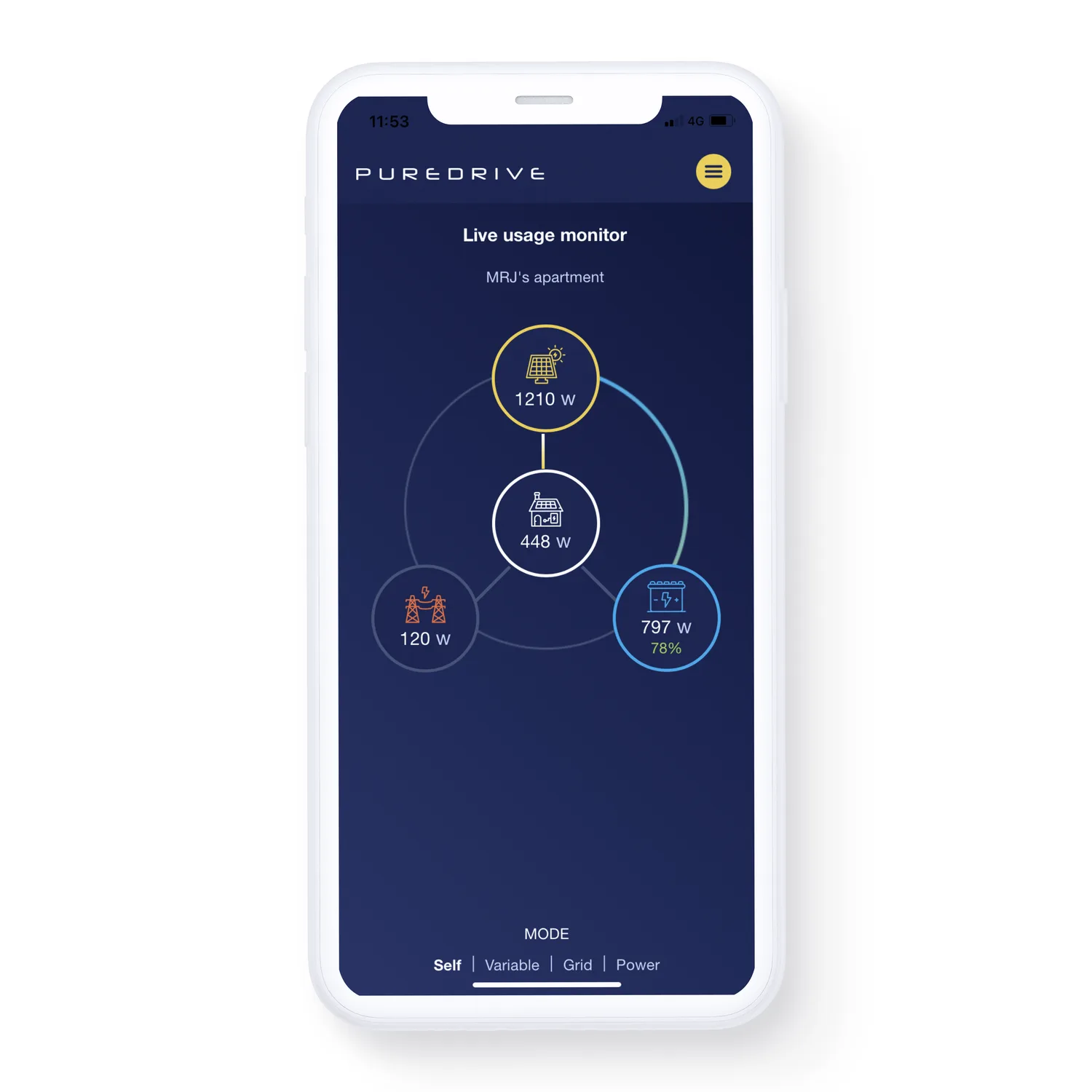
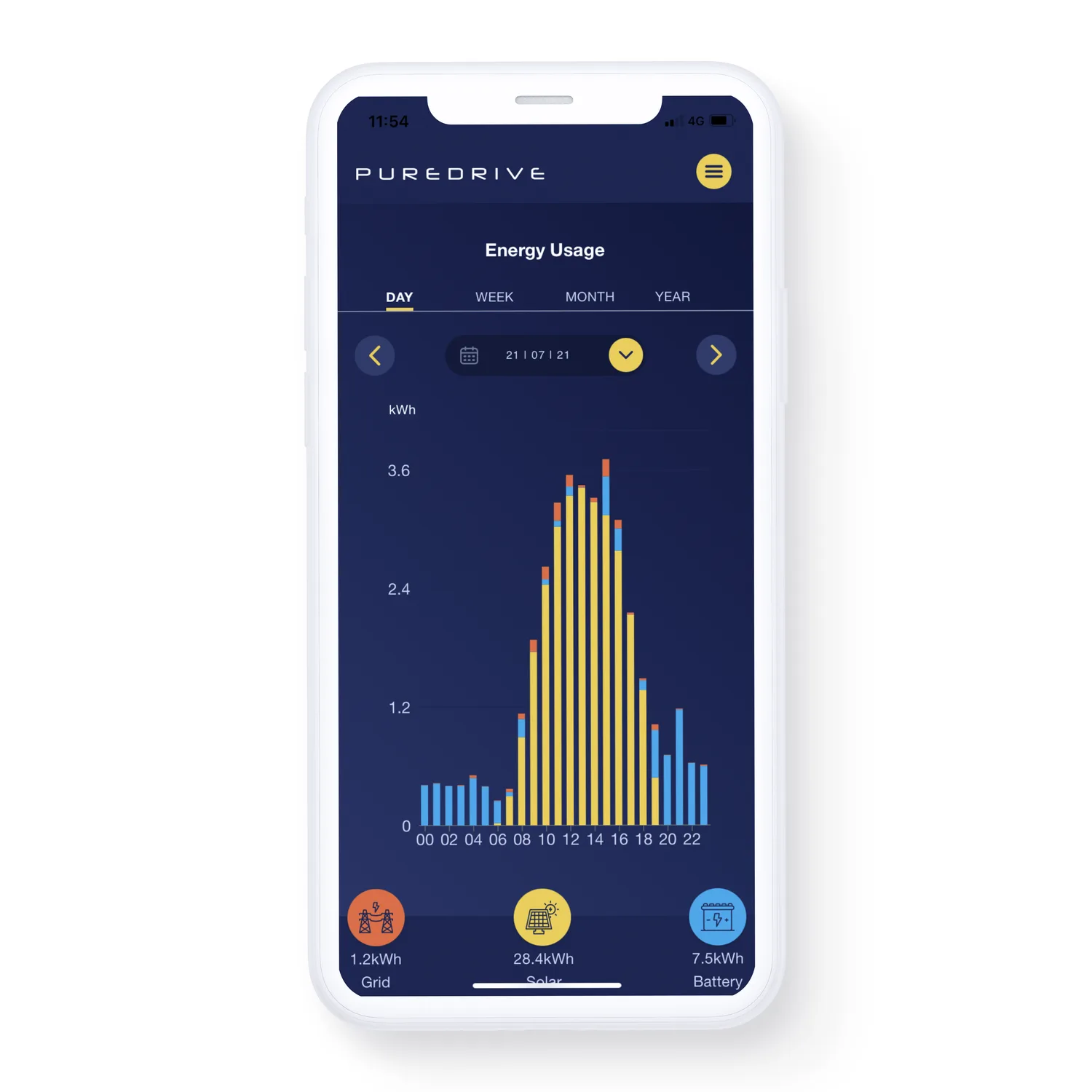
The colour coding carries the argument. Yellow is solar you generated, blue is battery you stored, orange is grid you paid for, so a good day is visibly yellow and blue, and the value of the product is legible without a single number being read. That is the same reasoning as the health app, five years apart: let the shape and the colour carry it, keep the figures underneath for whoever wants them.
The installer needs the opposite of simplicity.
Everything above is about removing detail. The installer materials required putting it all back, wiring routes, CT clamp positions, AC and DC paths, the consumer unit, the meter, the router. Get one arrow wrong and someone is standing in a loft with a live system that will not commission.
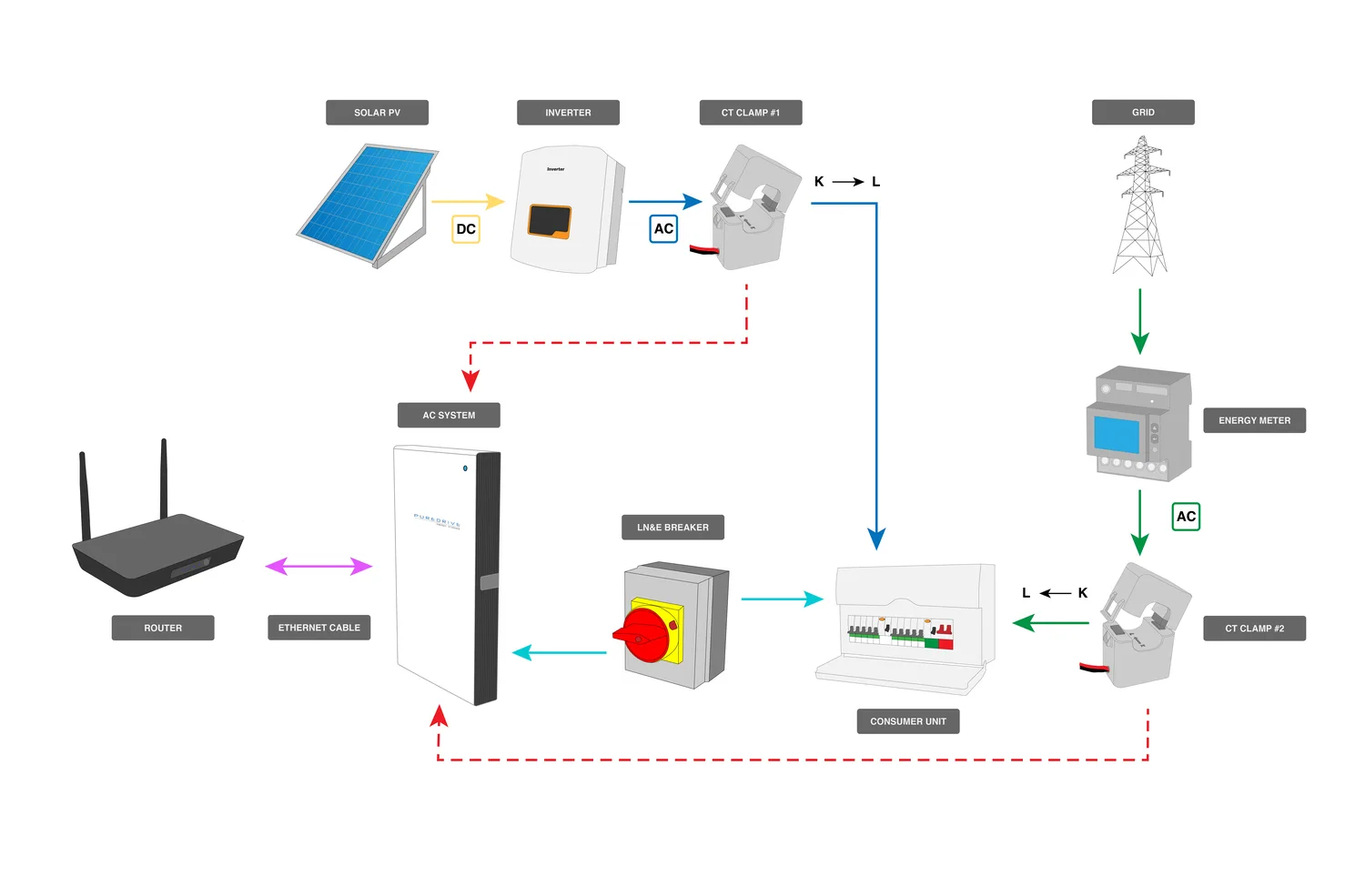
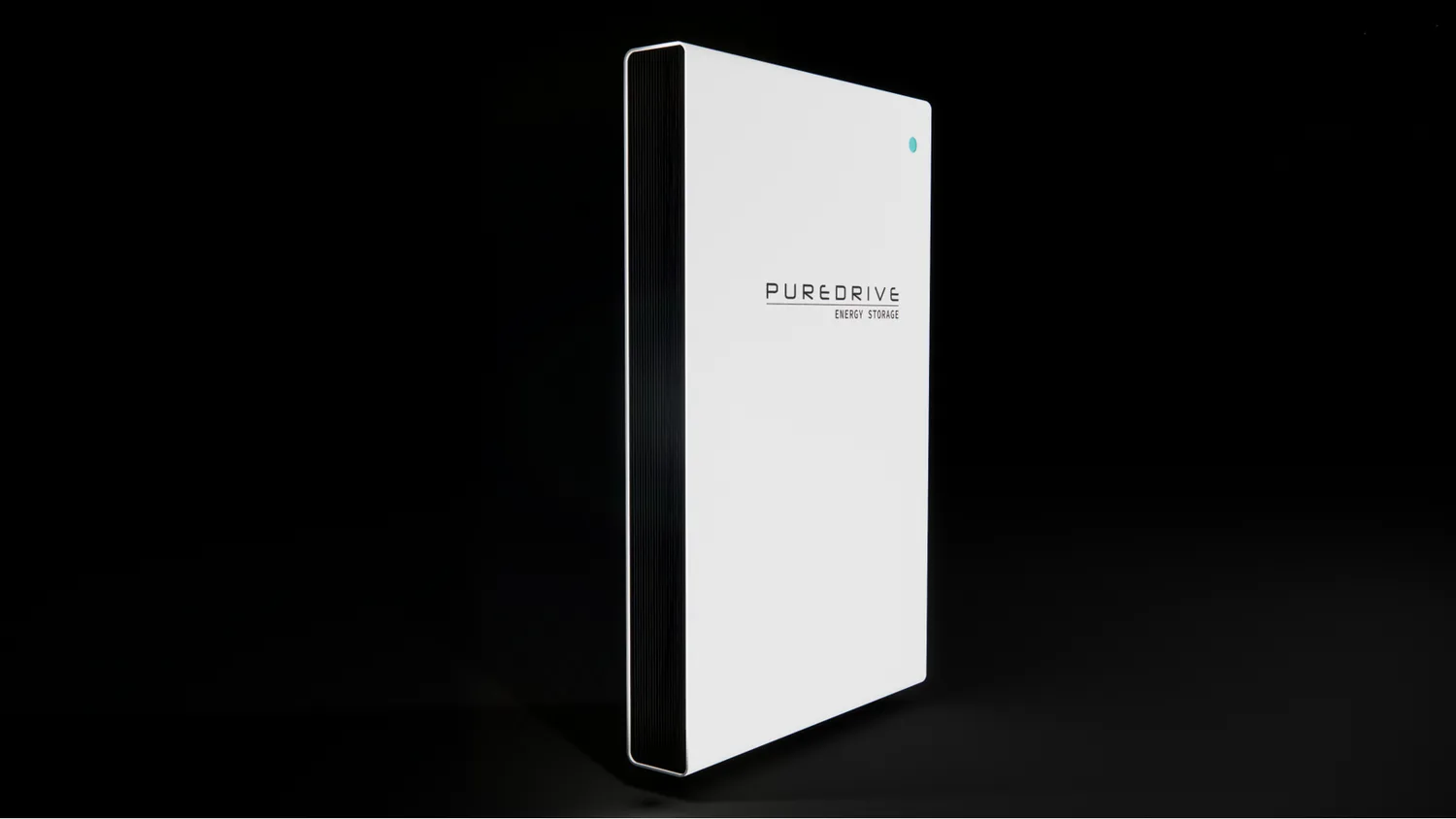
Running both registers, strip it back for the homeowner, spell it out for the installer, off one product and one brand is the actual skill this job taught me. It is also the clearest early version of something I still believe: the audience decides how much complexity is allowed on screen, not the product.
Distributed energy, before I had the words for it.
At the time this was a job explaining batteries. In hindsight it is the first piece of work I did on a distributed system, thousands of small independent nodes, each generating and storing locally, worth far more collectively than individually.
Aggregate the distributed, keep the value at the edge. I was drawing that diagram for a battery company years before I could describe it as a thesis.
- Explaining a hard-tech product without either dumbing it down or hiding behind it
- Serving two audiences with opposite tolerances for detail, from one system
- Colour as the primary carrier of meaning, numbers as the backup
- Virtual power plants, many small batteries acting as one asset, are the same shape as a local economy network
- That pattern turns up again in RefiRegen, aimed at money rather than electricity
- And again in Legible Memory, aimed at an archive