A brochure site can't sell a £15k sauna. A conversation can.
Bespoke garden saunas are a considered, high-ticket purchase, and the buying journey is a brochure, a contact form, and a two-week wait for a surveyor. This build replaces that with an AI configurator: nine questions, a rendered concept in your own garden type, an indicative price band, and a survey-ready brief, before anyone picks up a phone.
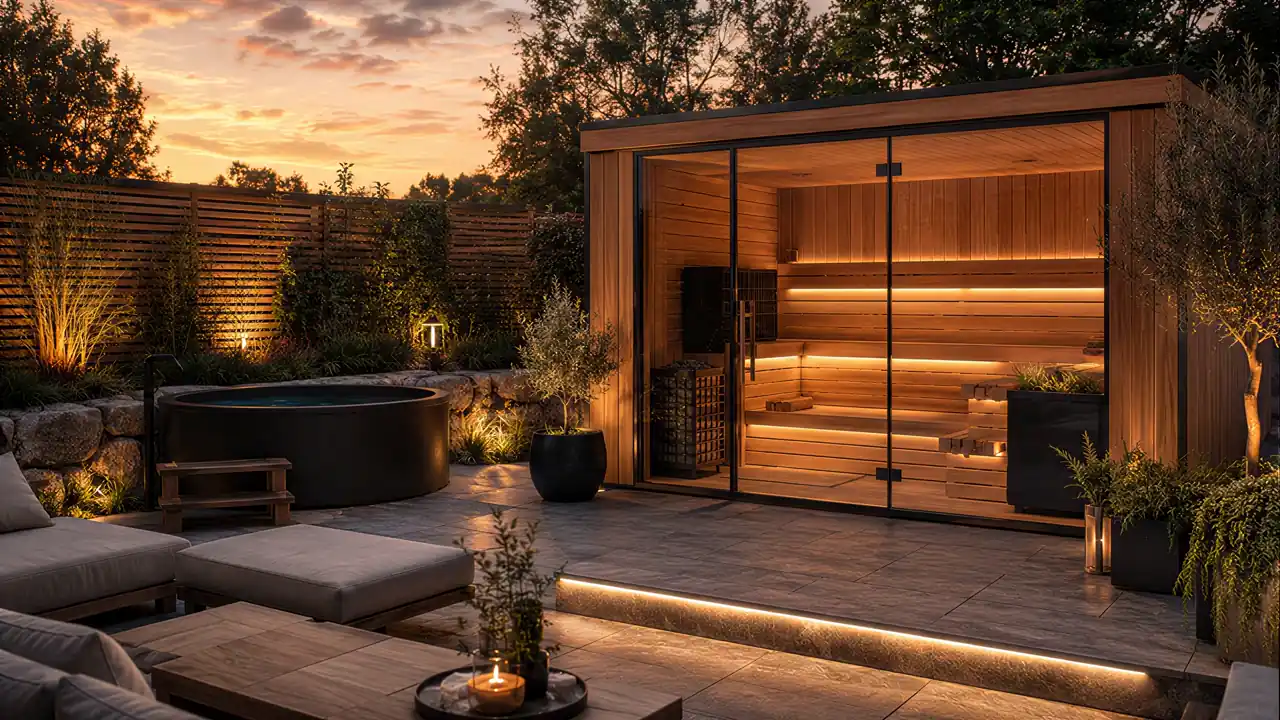
Not a brochure. A lead-generation loop.
This is not just a brochure website. It is a lead-generation system for high-ticket bespoke garden sauna installations.
Every step of the configurator is doing double duty: it helps the customer see their sauna, and it qualifies the lead. By the time a human gets involved, the enquiry arrives with a budget band, a garden type, access constraints and a visual concept attached, the surveyor's first visit starts halfway through.
Garden, size, budget, heater, timeline, conversational, not a form.
Recommendation logic and safety rules constrain what the model can promise.
A concept image in the customer's garden type, with honest caveats attached.
Ten written caveats keep the AI's output survey-ready, not contract-ready.
Budget, intent and feasibility scored before anyone's time is spent.
The handoff is a document, not a phone number.
Your garden. Not a showroom.
The hard part of selling a bespoke build is that nobody can picture it. A brochure shows someone else's garden; a mood board shows nobody's. So the configurator takes a photo of the actual space and designs into it.
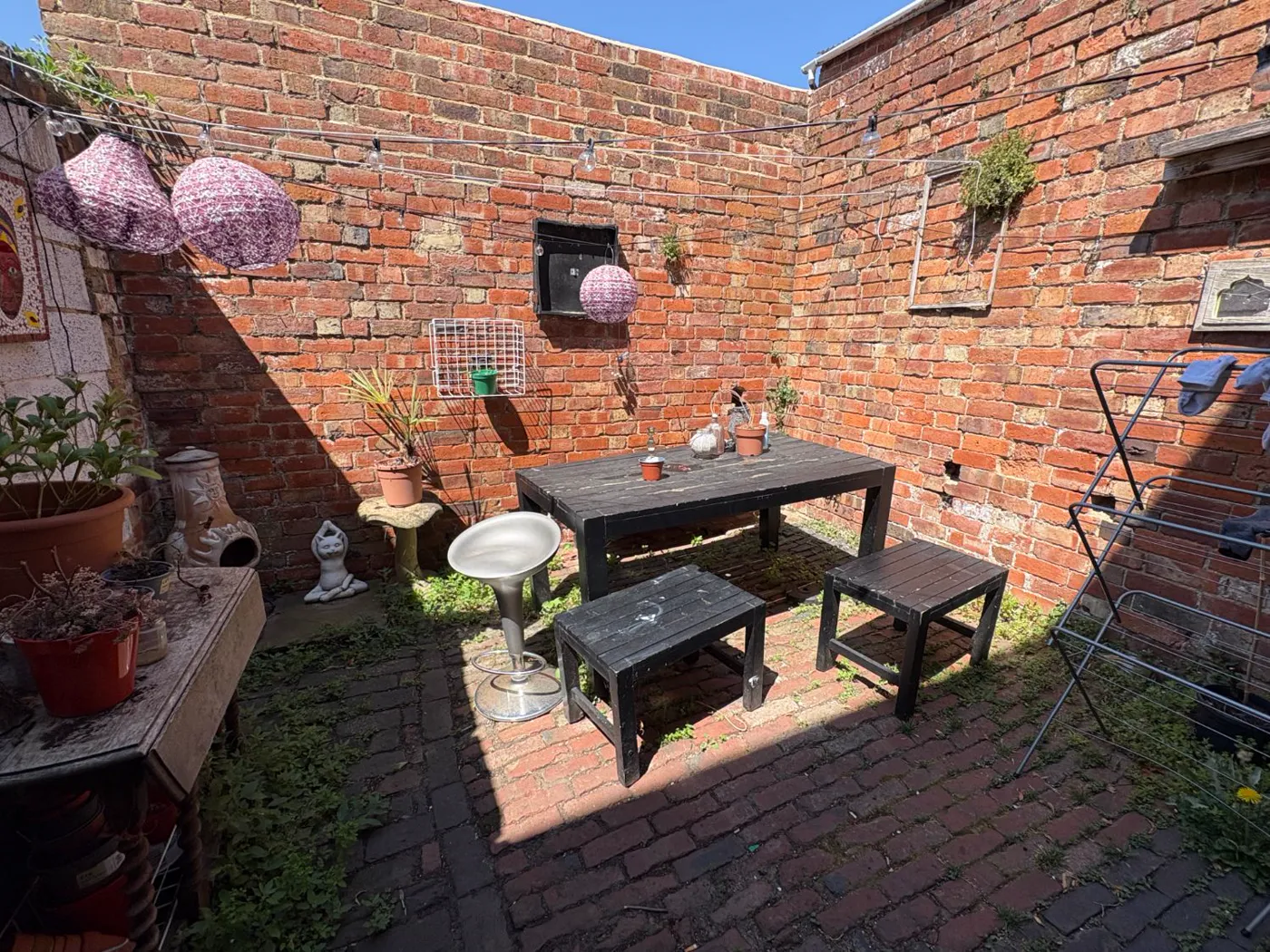
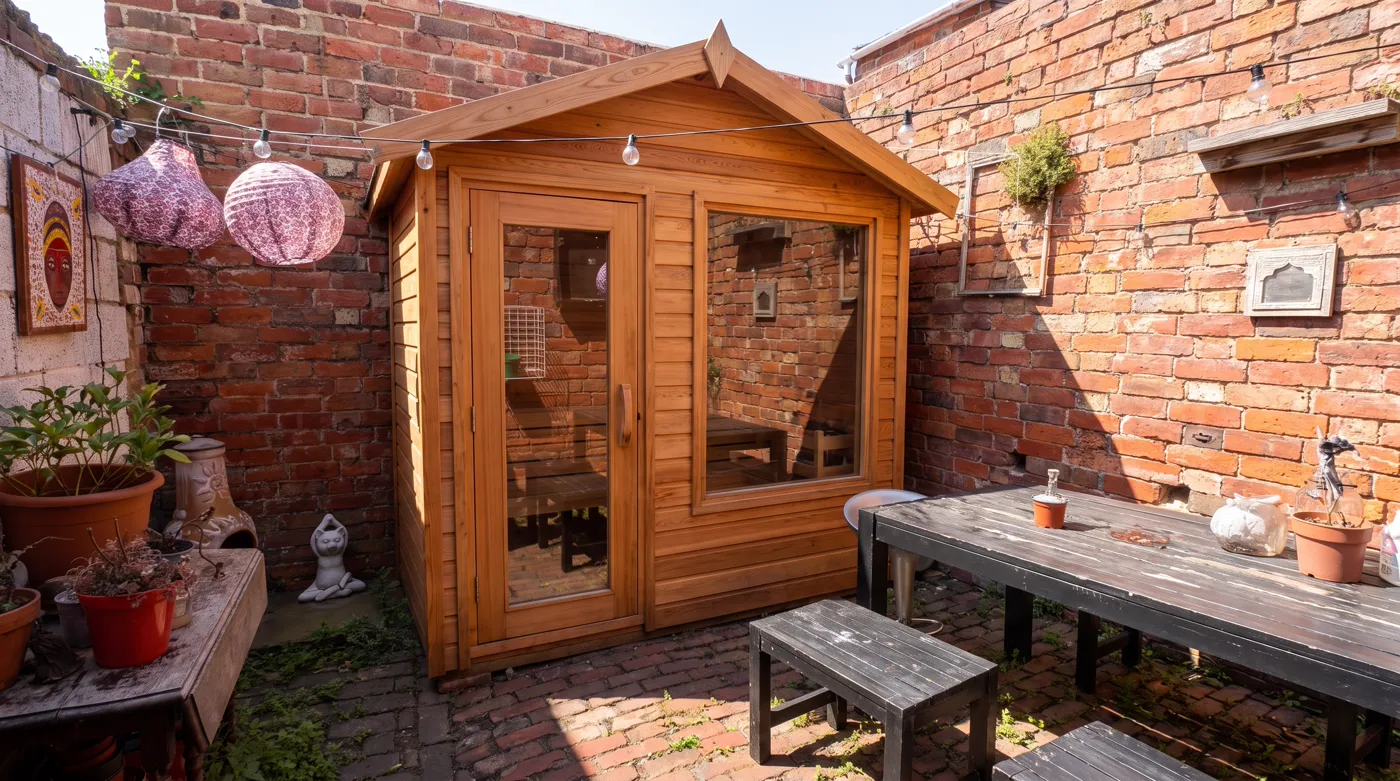
Look at what stayed: the brick courses, the paper lanterns, the potted plants, the weathered table. That fidelity is the whole point. A generic render says here is a sauna; this says here is your sauna, and it fits, which is a different conversation, and a much shorter one.
This is the step that converts. Someone who has seen a sauna in their own yard, at the right scale, against their own brickwork, arrives at the survey already sold on the idea, the visit is about groundworks and electrics, not persuasion.
A sauna that builds itself as you scroll.
The homepage opens on an empty plot at dusk. Scroll, and the timber frame rises, the glazing goes in, the cedar closes over, the interior lights and the garden fills in around it. It is the company's whole proposition, design and build, end to end, told without a word of copy.
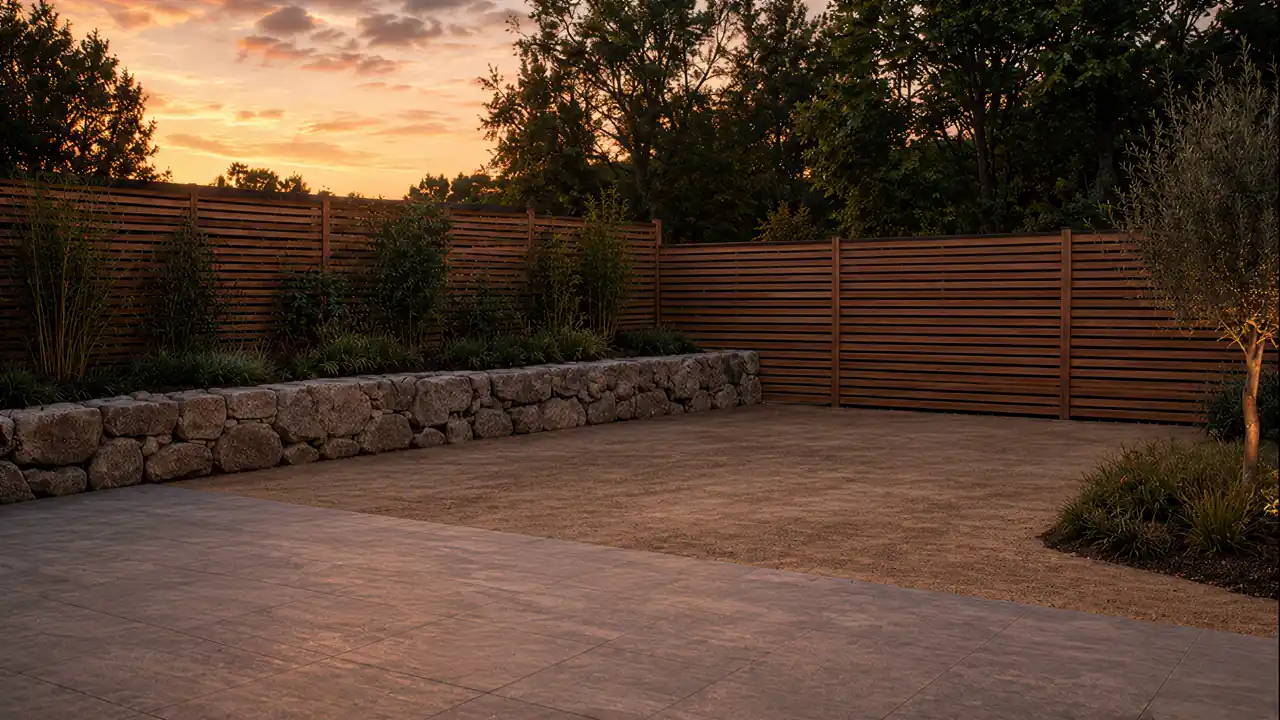
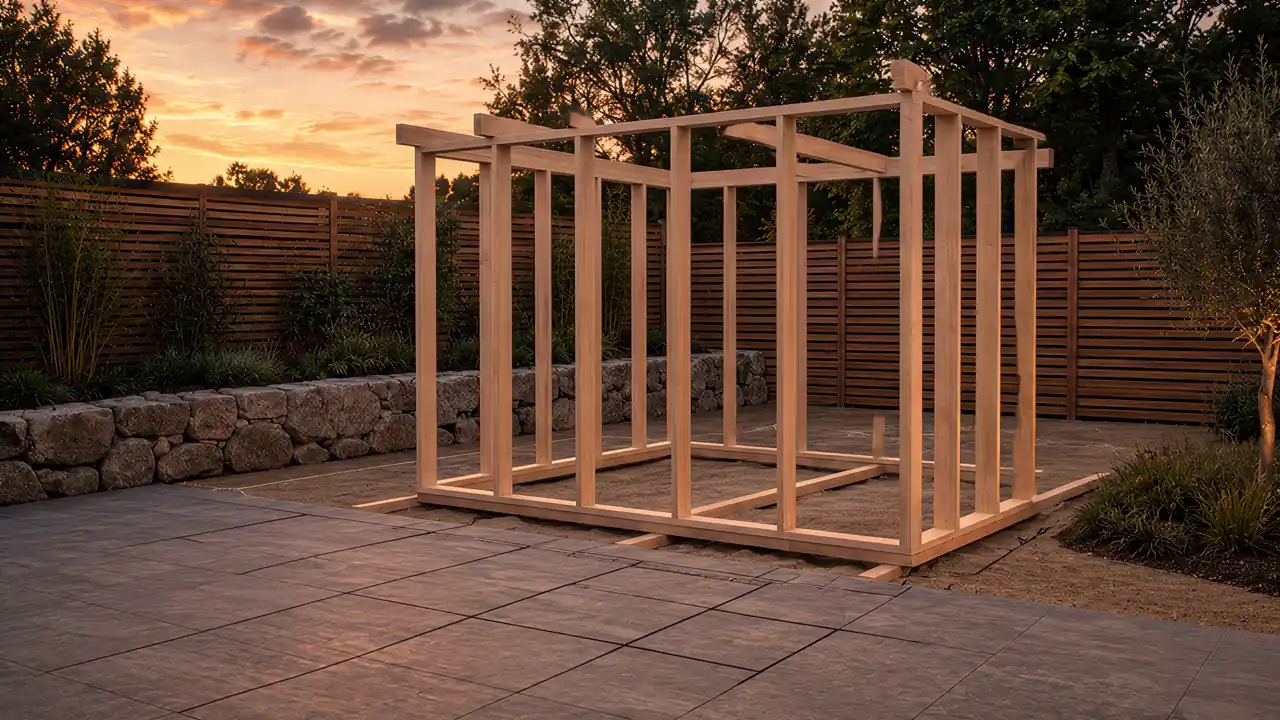
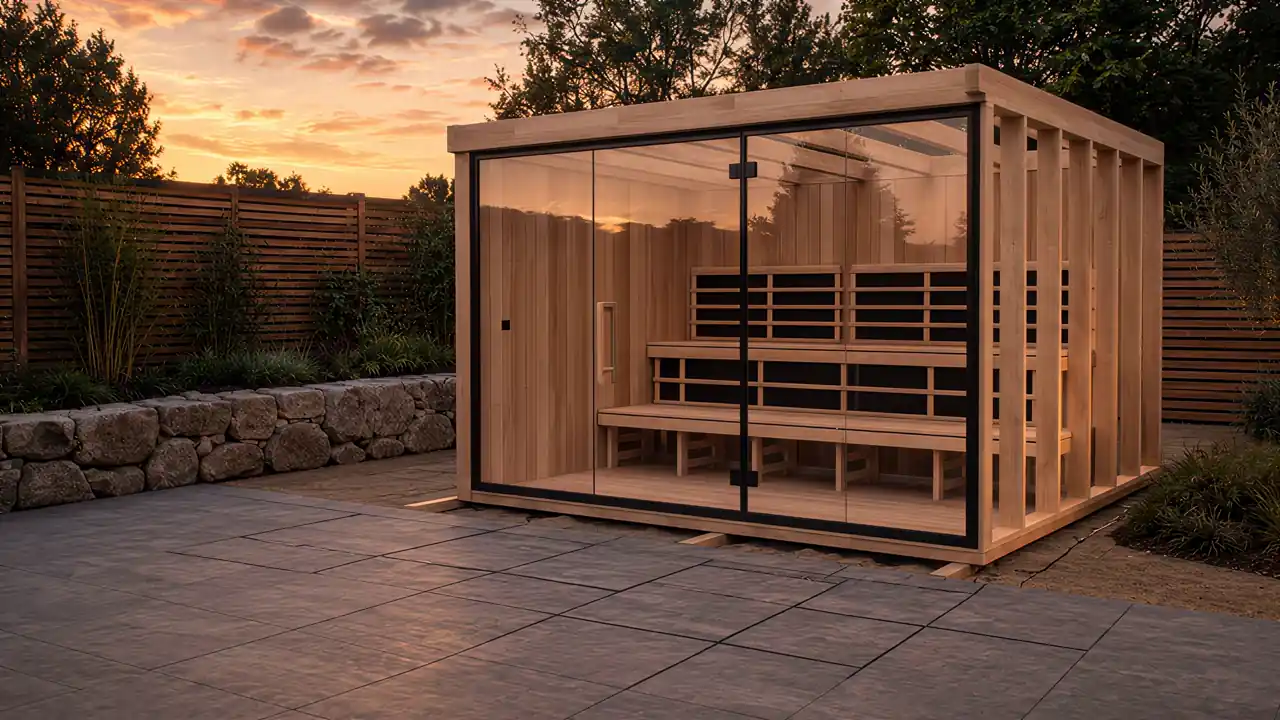
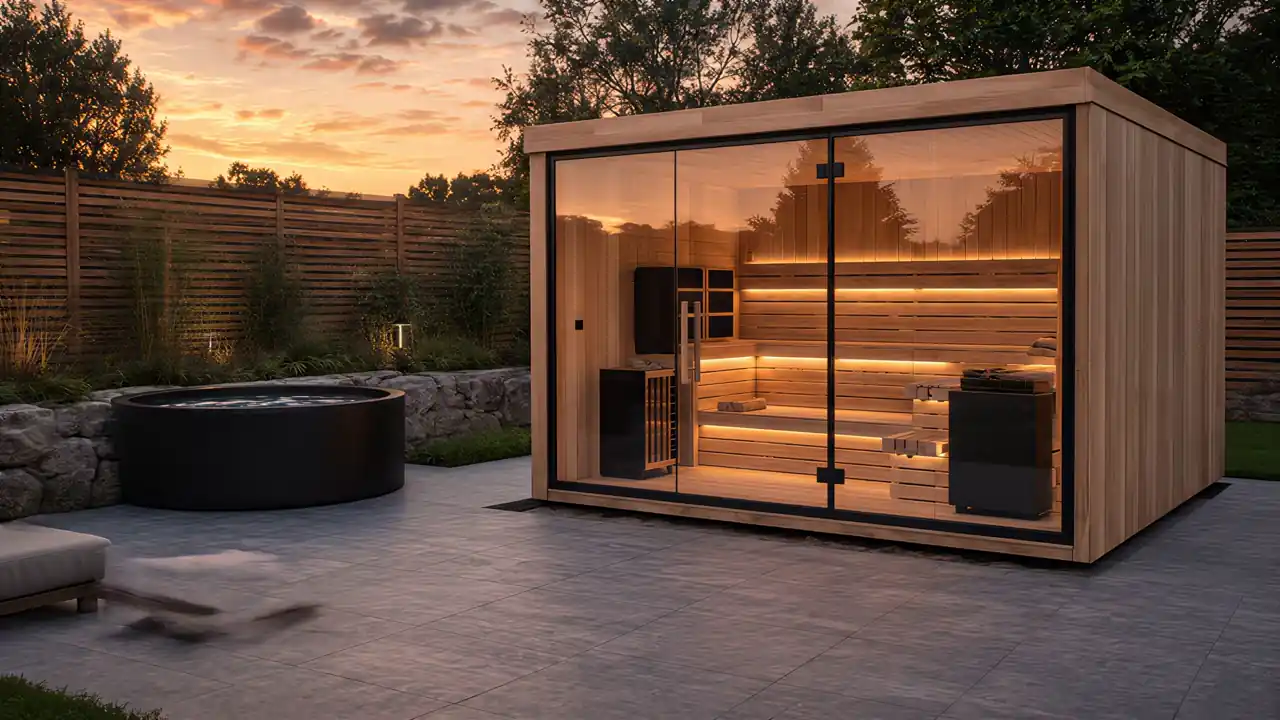
Getting it smooth was the engineering. It is a WebP image sequence, not a <video>: Safari throttles programmatic seeking hard, so scrubbing a video element stutters no matter how the file is encoded. Instead the film is exploded to frames, preloaded in priority order across its range, and driven by a sticky pin with a lerped frame index.
requestAnimationFrame loop and a lerp. The dependency wasn't earning its weight.The graceful-degradation choice is the one I'd defend hardest. A scroll film that collapses into a blank screen without JS is a liability on a lead-generation site; one that collapses into legible copy over black is just a quieter version of the same page.
Show it in a garden like yours.
Six garden presets, walled courtyard, cottage lawn, open lawn and so on, so the render lands in a context the customer recognises. The generated shots cover the angles a real photographer would: hero, detail, lifestyle, top-down.
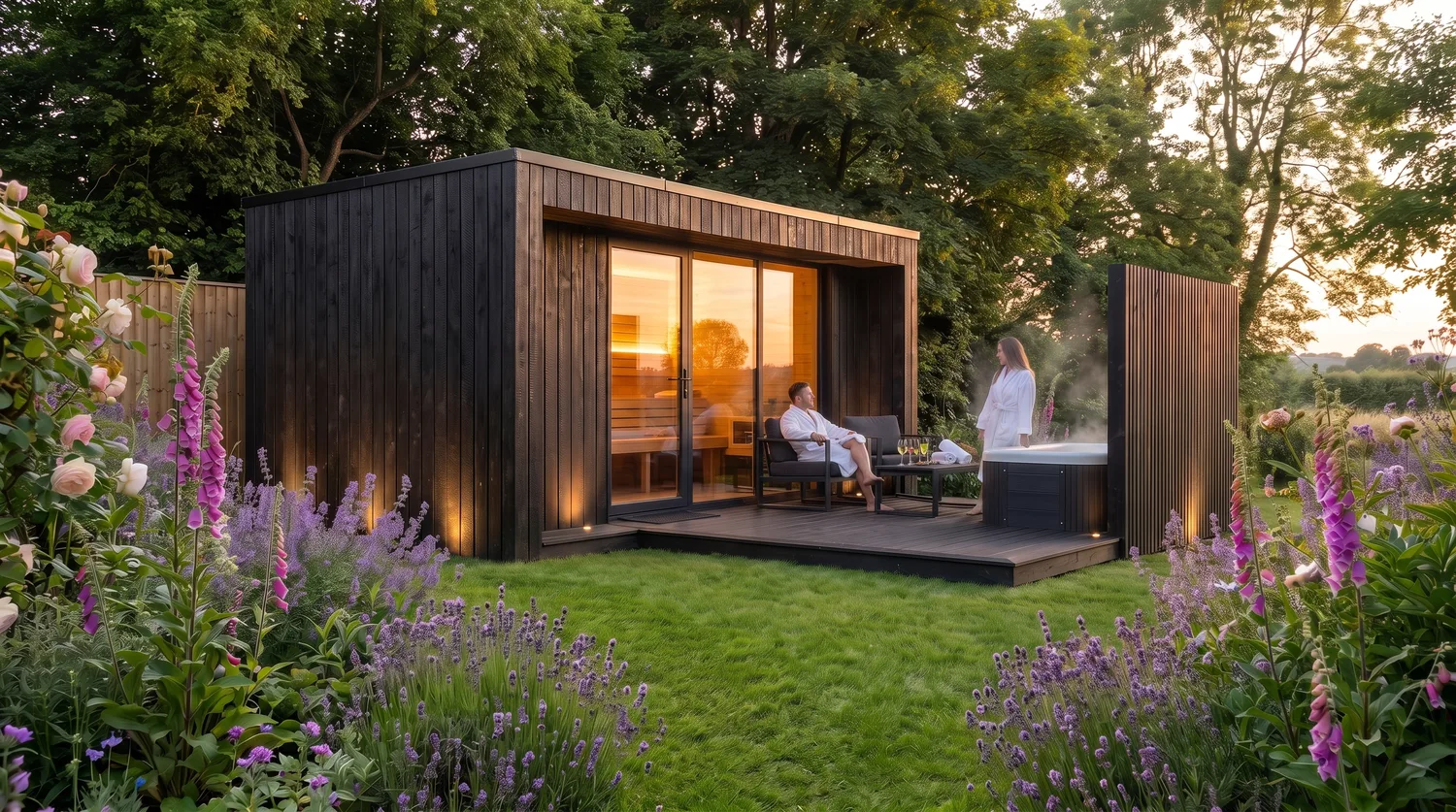
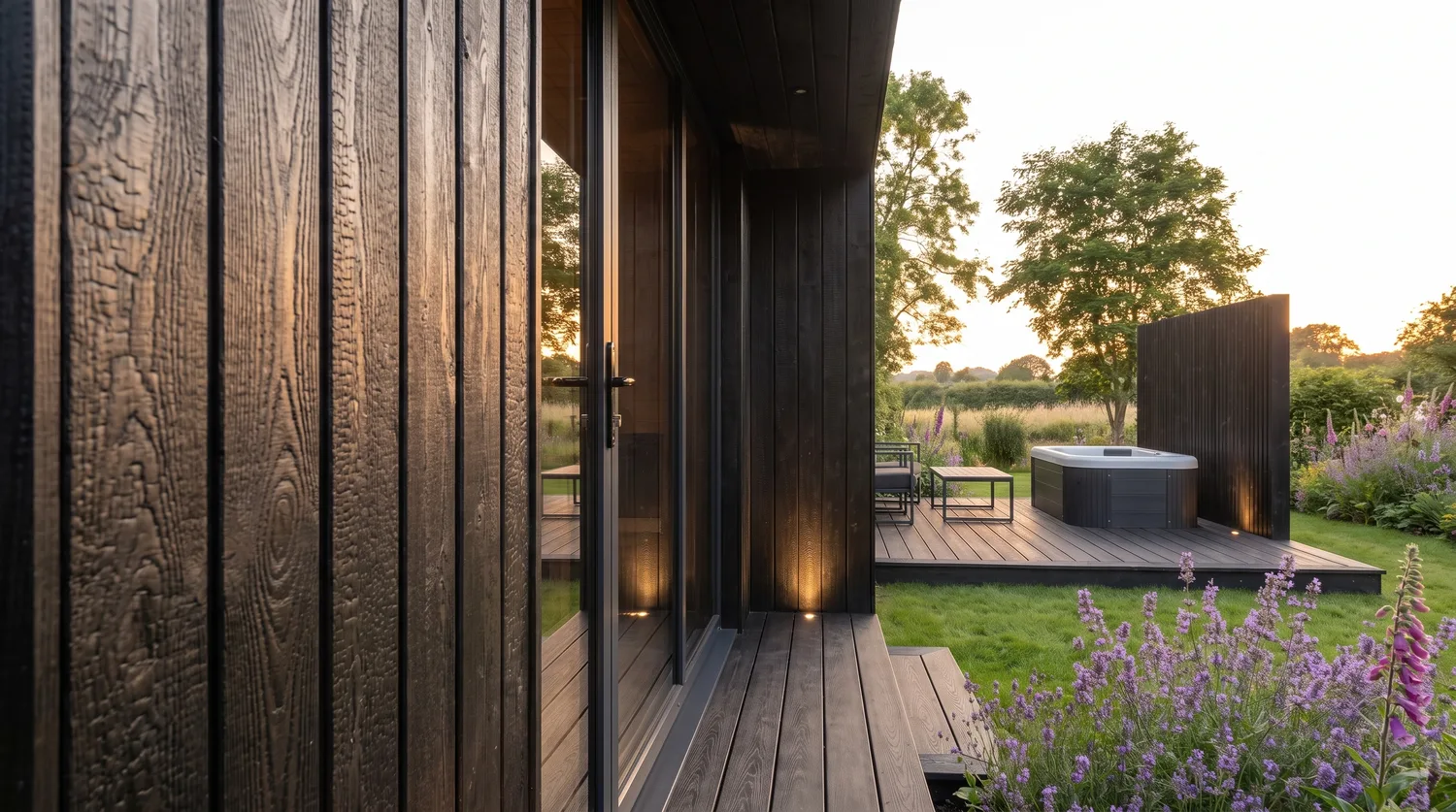
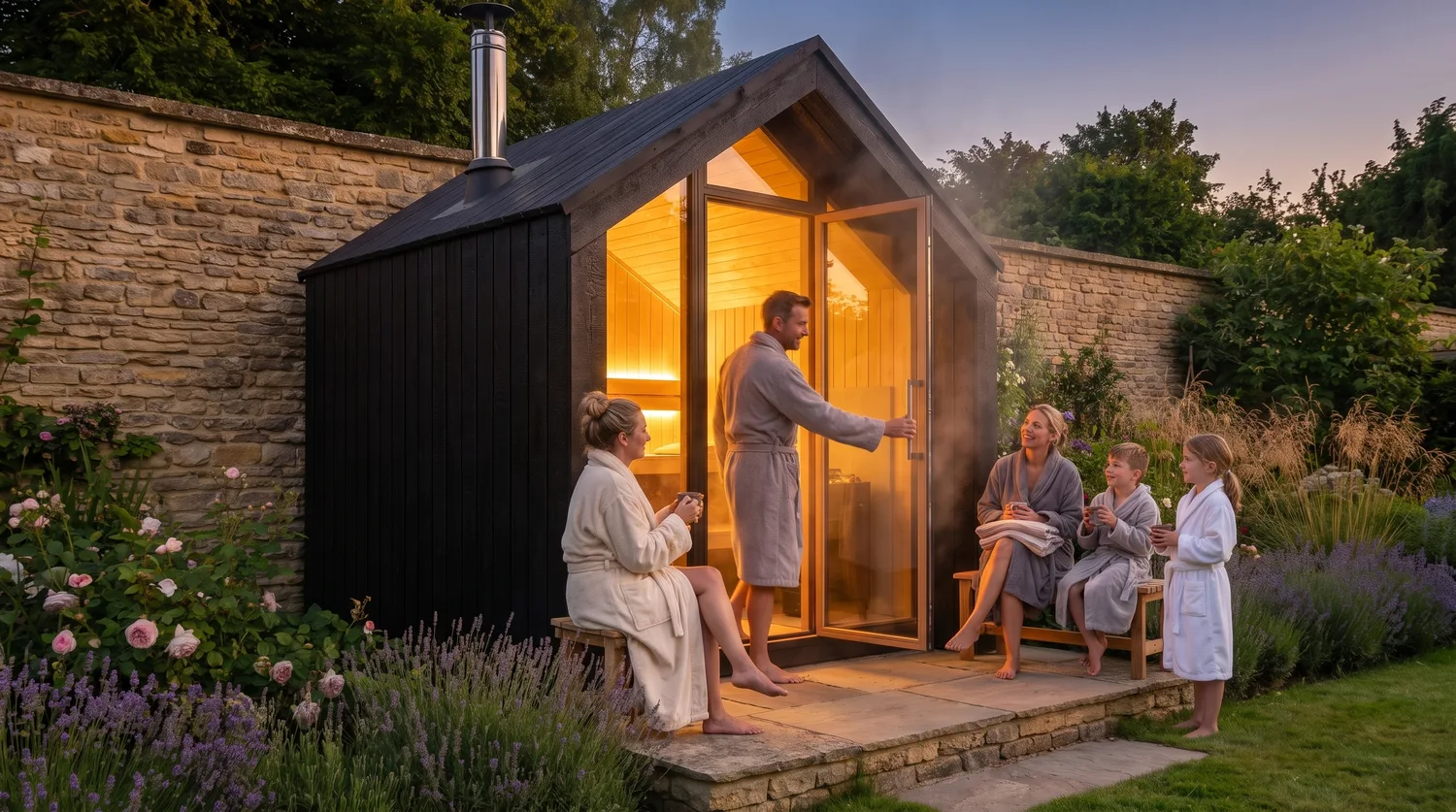
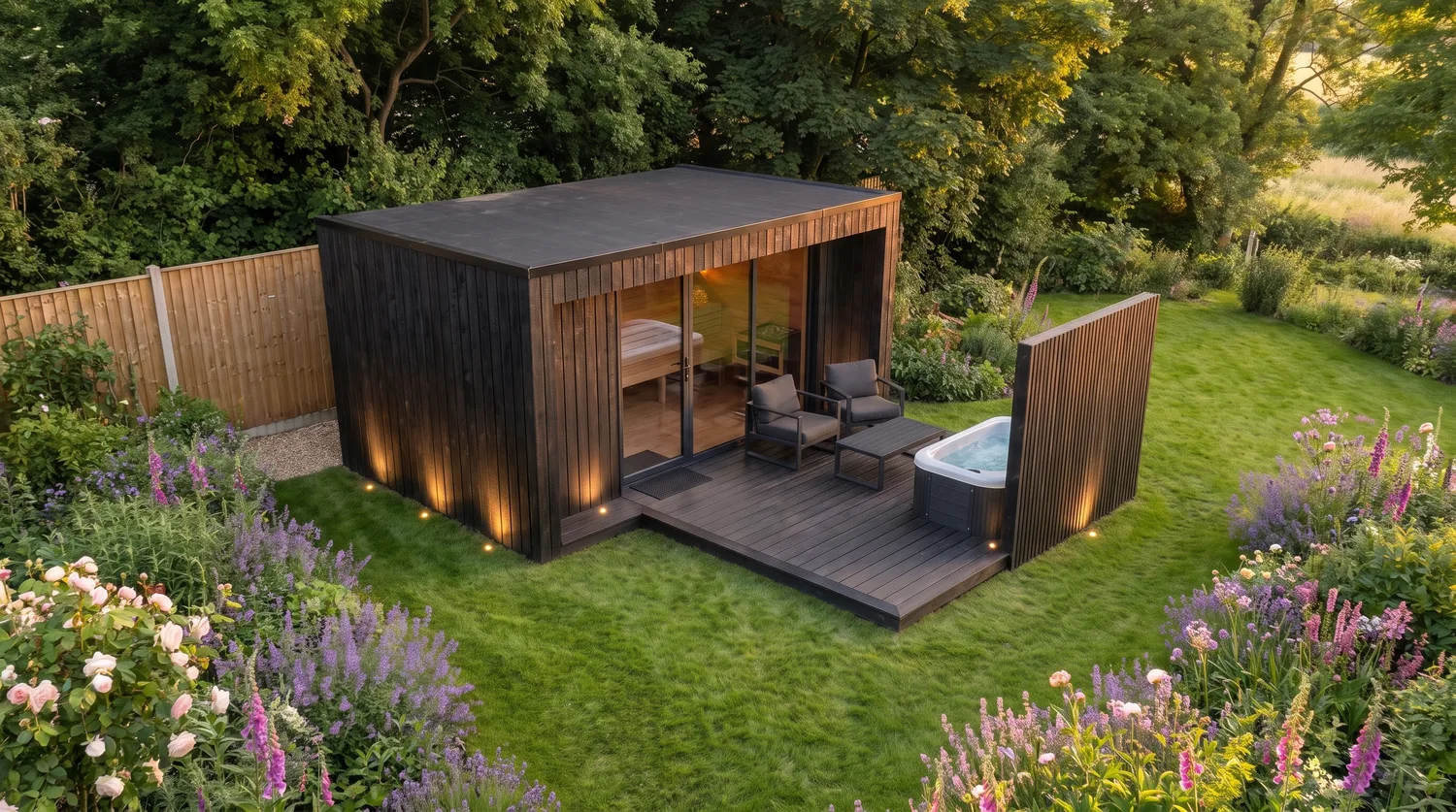
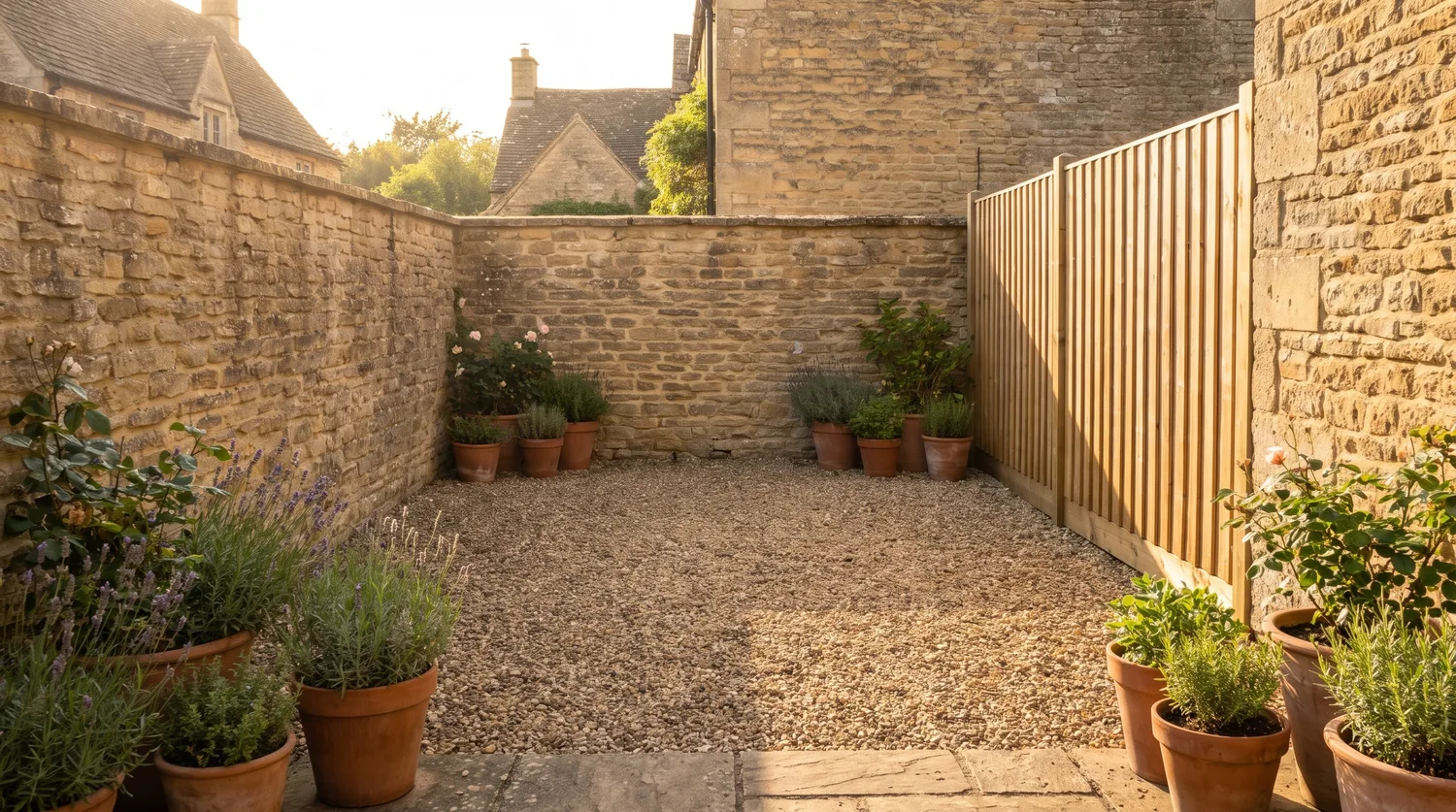
This is the BrandFlow discipline applied to a sales tool: generation constrained by rules, outputs that are reproducible, and a human gate before anything becomes a commitment.
And the options, as a set.
Four builds carrying the range: the classic barrel, charred larch, a cold plunge, and the Cotswold cedar house that anchors the brand.
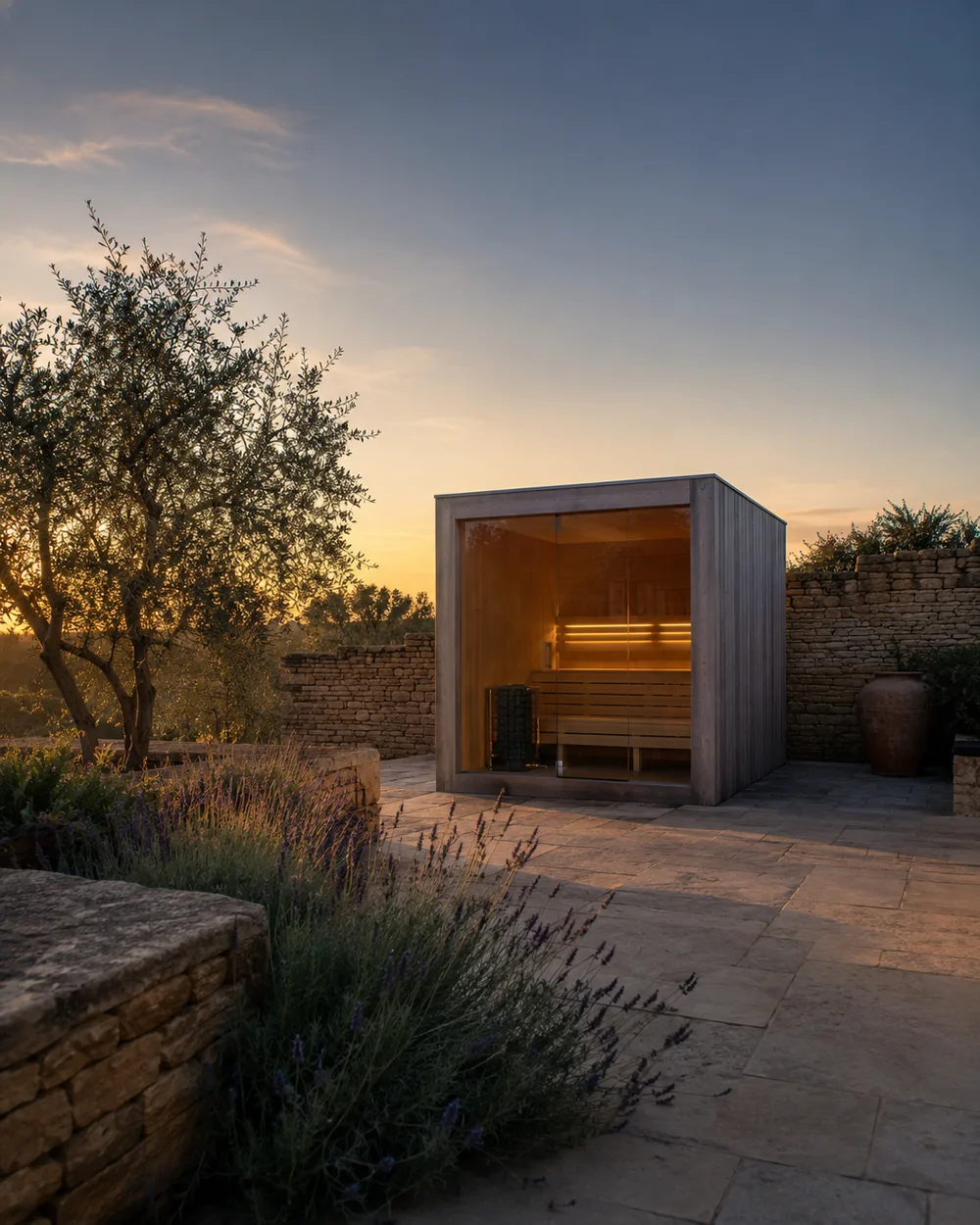
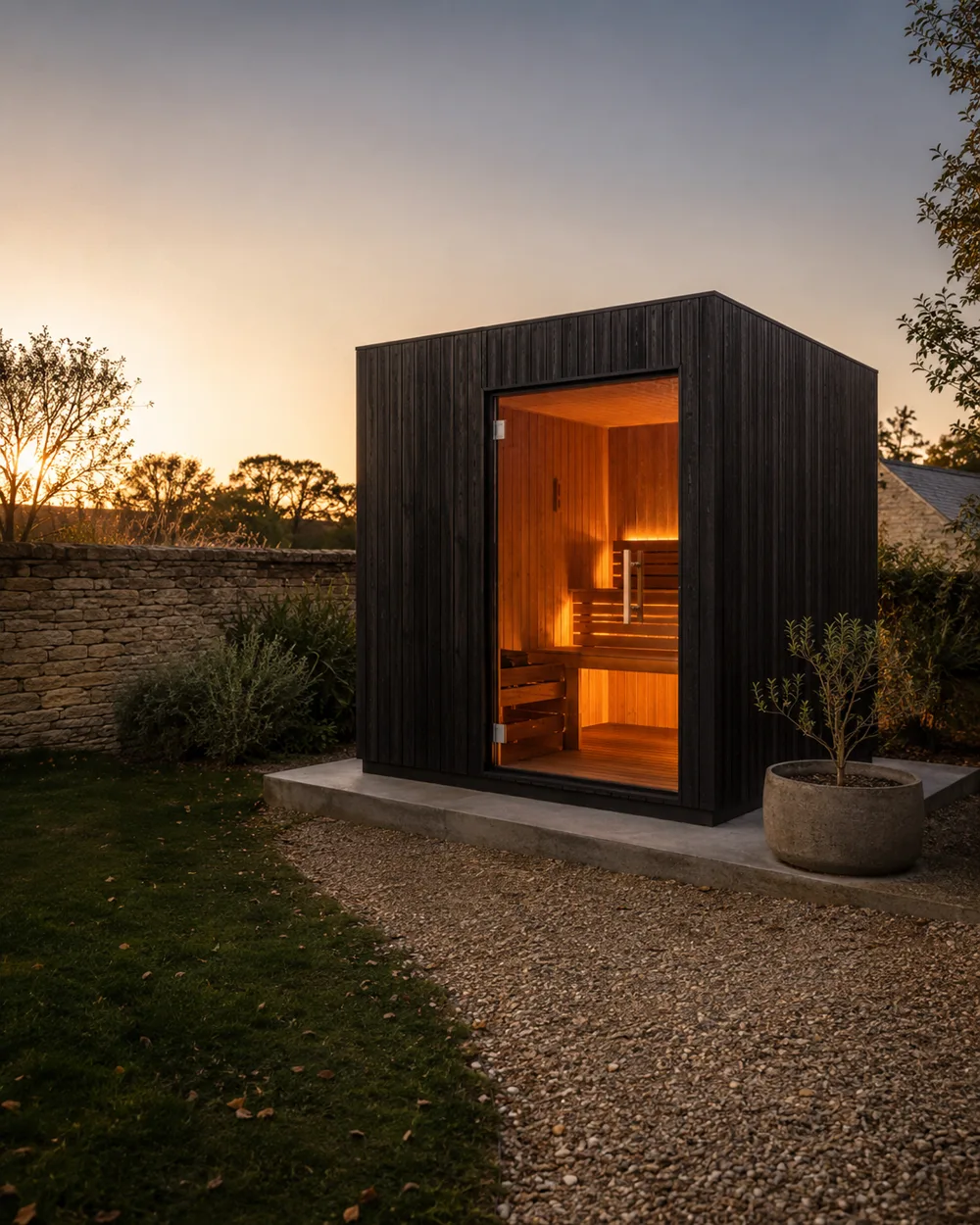
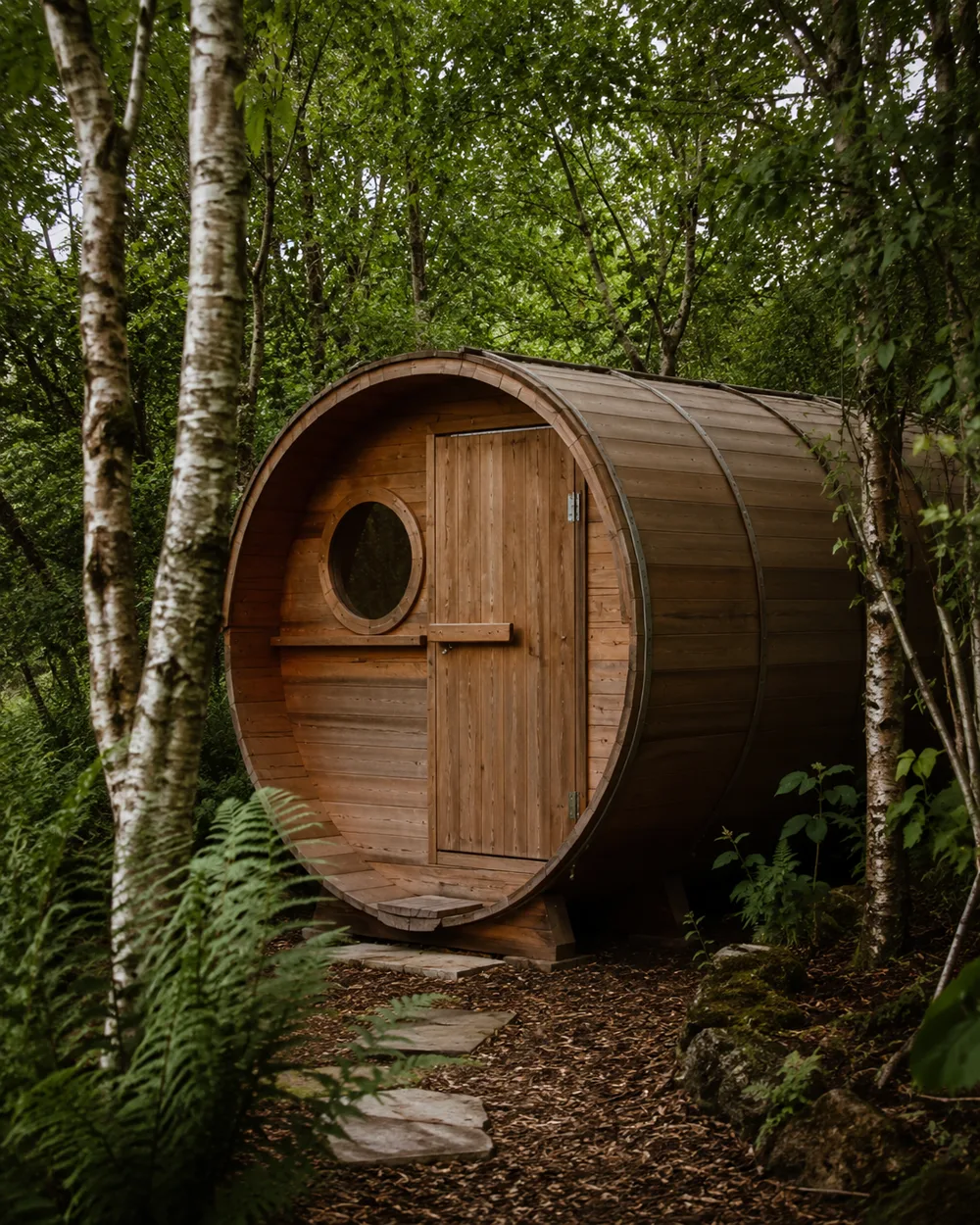
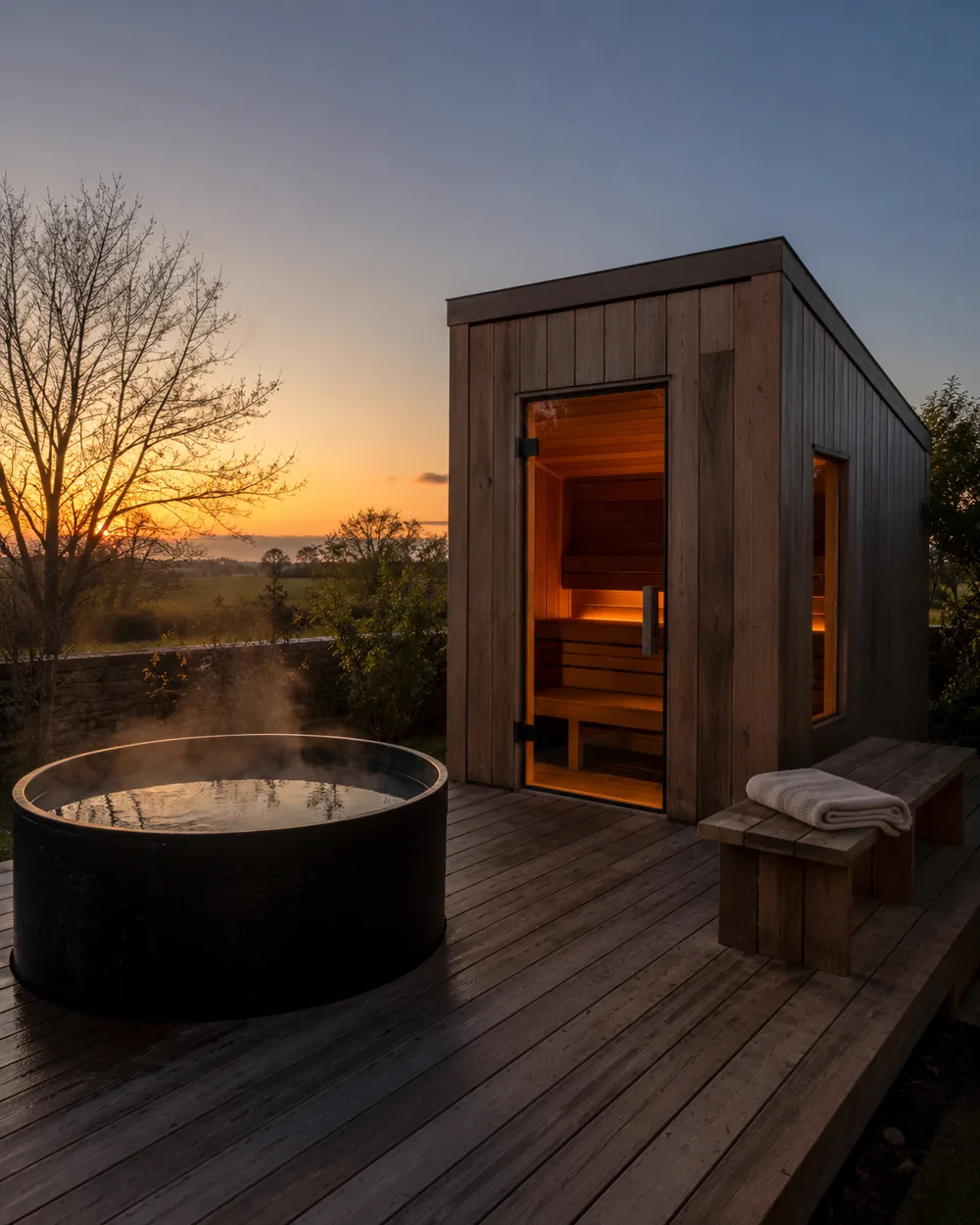
The founders are the proof.
Cotswold Sauna isn't a marketplace or a reseller, it's a design-and-build partnership between two established businesses. That happens to be a through-line in this portfolio: I built the brand identity and the website for both of them, before either of them founded this.
Materials, proportions, and the way light and cedar meet. Considered interior design, not a catalogue pick.
Matt Smith-Wood case study →Groundworks, structure, electrics and install, surveyed and delivered by an established construction team.
No.91 case study →Design listed first because that's the sequence of the work. It's also why the configurator can promise a rendered concept in the first place: there is a real designer behind the output, and a real builder who has to stand behind the survey.
A real application, mid-flight.
A lead-generation system that generates leads into a void isn't a system, it's a demo. The configurator can score an enquiry and write a survey-ready brief, but two builders with a phone each still have nowhere to see them. The management area is the piece that closes the loop, and it's the honest reason this is still a live build rather than a shipped one.
The engine is vertical-agnostic; only the config is sauna-specific. The sauna is the first vertical, the same configurator pattern fits garden rooms, kitchens, bathrooms, landscaping: any high-ticket bespoke purchase where the first sales step is currently "fill in a form and wait".
This page will grow as the build ships. It is written as the current state, not a retrospective, the same discipline as RefiRegen: publish the honest version, update it when reality moves.